A2 scan: what ICBC is checking
ICBC expects you to scan while driving, especially near places where hazards may be present, such as intersections and crosswalks.
This video explains ICBC's A2 scanning expectation: keep scanning while driving, especially near intersections, crosswalks, signs, lane markings, and places where hazards may appear. For North Vancouver learners, scanning means reading clues early. Look for stopped vehicles at crosswalks, changing arrows, lane-use signs, where turn lanes start, whether your lane is ending, and signs that prohibit a manoeuvre.
The video walks through six road-test scanning examples, from hidden crosswalk hazards to No Right Turn on Red signs.
Use these sections as a quick study guide before practising intersections, crosswalks, lane choice, turn-lane entry, and lane-ending signs.
ICBC expects you to scan while driving, especially near places where hazards may be present, such as intersections and crosswalks.
If a vehicle in the next lane is stopped at a crosswalk, assume there may be a pedestrian you cannot see. Slow and stop as needed instead of passing through blindly.
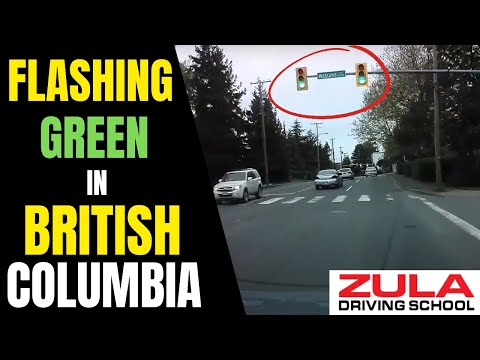
If the advanced green arrow is already flashing before you are in the turn lane, plan for the possibility that it may change before you arrive.
If the examiner has not given a turn instruction, they expect you to continue straight. Scan overhead lane signs and road arrows so you do not follow another car into a turn lane by mistake.
Do not cut through a painted island or two-way left-turn area just because another driver does it. Scan ahead, enter at the correct opening, and shoulder check for shortcutting drivers.
After turning onto a road, scan for lane-ending signs. If your lane ends, signal, check mirrors, shoulder check, and move over only when safe.
A No Right Turn on Red sign means stop before the stop line and wait for green. Missing that sign and creeping forward to turn right on red can fail the test.
More videos that work on the same skills.
Book a driving lesson in North Vancouver with Zula Driving School and practise crosswalk scanning, lane signs, traffic-light planning, lane endings, and road-test decision making with a local instructor.