
ScanningLeft turnsOncoming traffic
ICBC A2 Scan – Oncoming Traffic at Left Turns
Read the opposing lanes before a left turn and check each driver's intention instead of assuming a queue is turning left.
Browse Zula Driving School's ICBC driving-tip videos and road test study guides. These pages focus on practical habits learners can review before a lesson, mock test, or ICBC road test. Start with a topic, search for a specific skill, or open a video guide to review the exact section you need.
The hub brings together ICBC road test preparation, scanning, wide-road turns, mirror checks, hazard perception, cooperative driving, bus safety, yielding to buses, stop-sign positioning, speed maintenance, brake readiness, lane position, following distance, parking-brake routines, crosswalk judgment, highway merging, lane changes, turns, intersections, and observation habits in one searchable place.
138 guides
Read the opposing lanes before a left turn and check each driver's intention instead of assuming a queue is turning left.

Review curb clearance, parking restrictions, and stall positioning without trading a better position for a curb strike.
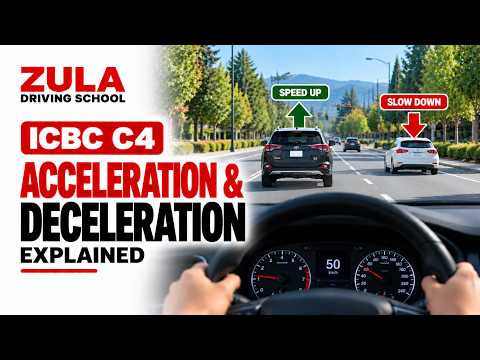
Use smooth pedal inputs and look ahead to avoid speed oscillation, repeated braking, and rushed stops.
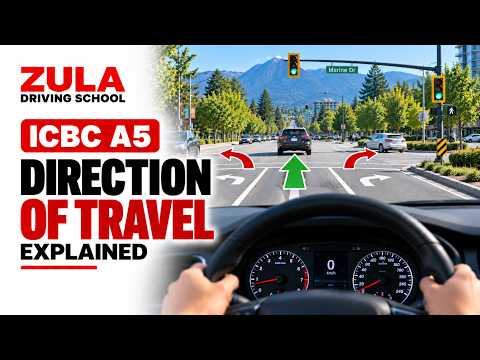
Keep your attention on the vehicle's actual path during parking setup, reversing, and curved roads instead of fixating on nearby objects.

Compare left- and right-turn gaps, look ahead for usable opportunities, and avoid both forced turns and excessive hesitation.

Use a vehicle-specific stopping reference and leave room for a rear impact, rollback, or a blocked vehicle ahead.

Check all around immediately before reversing, after the signal, gear, and steering setup are ready.
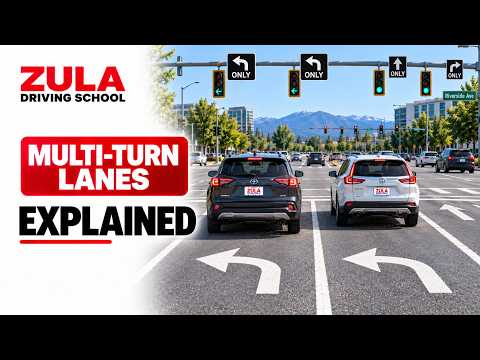
Identify your destination lane before a multi-lane turn and stay within your own turning path beside other vehicles.

Understand the specific cross-traffic-arrow example while keeping your own full stop, pedestrian checks, and yielding duties.

Treat the remaining regular green as an unprotected left turn, assess the next gap, and approach ready to wait.

Compare two yellow-light approaches: one too close for a safe stop and another where stopping is still possible.

Assess preparation through reliable driving habits, varied practice, and independent decisions rather than hoping for an easy test.

Review a delayed start followed by a rushed left turn, then the lane-entry and scanning issues shown later in the footage.

Use the sidewalk crossing as the stopping reference when no painted line is present, then edge forward only after the full stop.

Follow several three-point-turn demonstrations and compare their clear signals and checks with an unsignalled manoeuvre.

A night-time example shows why cyclists still matter when you are travelling several lanes away from the bike lane.

Follow an impatient driver's lane changes and compare the small progress with the risk created in city traffic.

See how angling into an opposing lane while waiting can obstruct a vehicle travelling straight through.

Anticipate vehicles and cyclists moving around a stopped truck on the opposite side of the road.

Read the stop controls and the crossing bike path instead of assuming a T-intersection is an all-way stop.

Leave enough room to judge the exit space before entering a congested intersection, even when the vehicle ahead goes through.

Identify a posted playground speed zone, reach its limit before the sign, and distinguish it from a nearby-playground warning.

Compare a sudden small-animal crossing with slower encounters and look for other animals following the first.

See vehicles shortcut into a new turn lane and why mirror and blind-spot checks are still essential at its beginning.

Follow a cone demonstration that marks the area between the mirror's view and peripheral vision on both sides of the car.

Understand why a left-turning driver must still read oncoming traffic when the light becomes yellow.
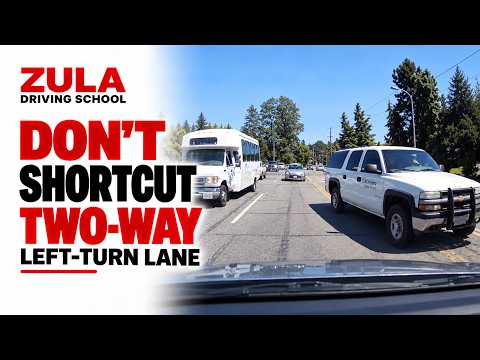
Distinguish a shared two-way left-turn lane from the dedicated turn lane ahead and enter at the proper location.

Replay a short approach and judge the yellow-light decision from the driver's position when the signal changes.

Read the road before a roadside incident, reduce speed for flashing lights, and plan a checked, legal move past the obstruction.

Choose a location with enough visibility and separation from an intersection so turning traffic is not surprised by your manoeuvre.
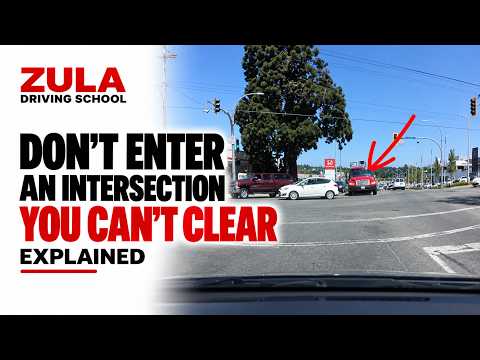
Look beyond the intersection before entering, even with a green arrow.

Anticipate drivers moving around a cyclist in the neighbouring lane.

Prepare for a signal change when you did not see the light turn green.

Enter a left-turn lane with proper checks, timing and queue discipline.

Recognize the posted construction speed limit before passing its sign.

See how reversing into an intersection confuses approaching drivers.

Follow a traffic-control person while continuing to check for hazards.

Prepare for glare before turning toward the sun.

Leave useful space when stopped and adjust it to the traffic behind you.
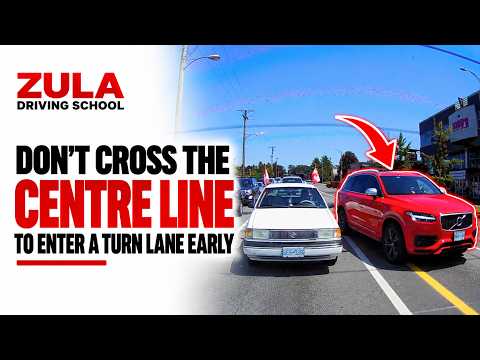
Wait for the turn lane to begin and check for drivers entering early.

Yield after the advance arrow ends and keep the exit clear.

Stay patient when a construction merge does not alternate as expected.

Recognize the impatient habits shown across this sequence of road examples.
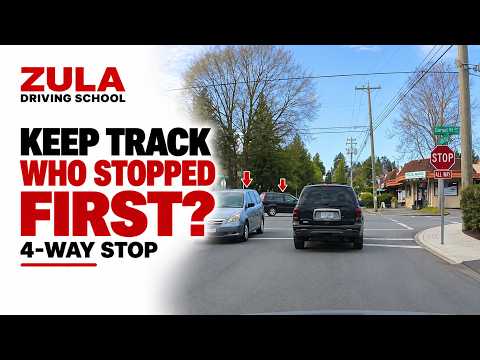
Watch arrival order before reaching an all-way stop.

Use early observation and gradual spacing to accommodate a construction merge.

Look beyond the painted crosswalk before turning right.

Review the separate observation, parking, gap and control issues on this result sheet.

Follow the setup, observation and alignment in this reverse-stall demonstration.
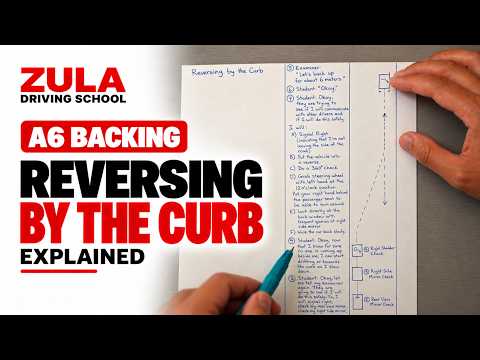
Prepare, observe and make small corrections while backing slowly beside the curb.

Judge your own left-turn gap and update the plan when new traffic appears.
Follow the waiting, yielding and steering decisions in this left-turn example.

Maintain lane position and clear space for cyclists.

Yield to approaching pedestrians and avoid following another driver into the crossing.

Read the changed traffic controls instead of relying on a familiar route.

Review school-zone speed and the separate turning and parking comments.

Compare the checks, priorities and gap decisions for three signal phases.

Understand the different actions indicated by these three signs.

Read temporary speed controls and retain safety checks through a construction detour.

Follow a real approach, waiting position and gap decision at a busy light.

Work through green, yellow, red, bike-lane positioning and the option to wait.

Distinguish the pre-movement check from looking back while reversing.

Review missing checks, wide right turns and hill-parking wheel position.

Keep a controlled grip on the outside of the steering wheel.

Compare small traffic circles with roundabouts and plan a safe exit.

Understand the categories and examples shown on a sample road-test sheet.

Separate the written feedback from the instructor’s possible explanations.

Address the two observation stages and the additional control comments.

A passing result can still identify an observation skill worth improving.

Identify each approach’s control and the separate cyclist conflict.

Identify protected movements and recheck pedestrians as the signal phase changes.

Read the gap and unnecessary-stop feedback without guessing the unseen drive.

Read solid and broken markings and protect an approaching cyclist’s path.

Plan ahead for a lane ending, speed change and a checked lane change.
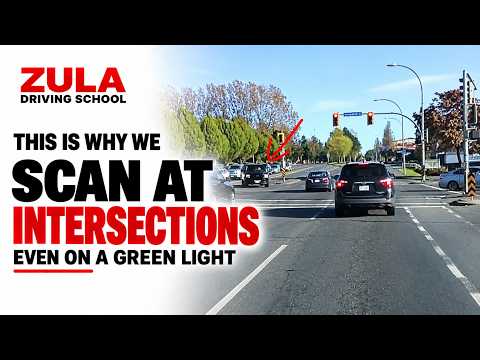
A red-light runner shows why every driver must scan before proceeding.
Compare real turns, a pedestrian-controlled crossing and waiting-position adjustments.

Track cyclists who may reach a crossing ahead of your next turn.

Read the arrow transition, waiting position and pedestrian risks without chasing the queue.

Distinguish a road-end cul-de-sac from one entered off a through road.
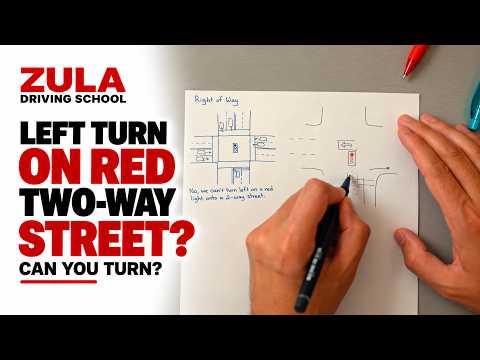
Compare the two-way restriction with BC’s one-way destination exception.

Review every space-margin category discussed, including the motorcycle-specific notes.

Follow the staged steering and observation in this parallel-parking demonstration.
Cover speed, complete stops, yellow decisions, smooth control and parking brake use.

Review the speed violation and the separate curb, positioning and observation feedback.

Combine stable pedal control, speed checks and anticipation of hills.

Use a good overall result to target the specific skills still needing practice.

Prepare the signal and checks early enough to use the permitted lane entrance.
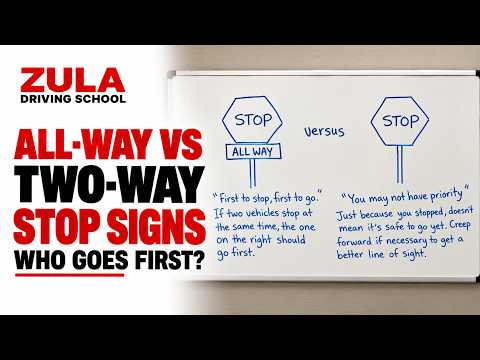
Apply arrival order only where appropriate and yield correctly at a two-way stop.

Watch the queue and yield to an opposing right turn before entering your lane.

Distinguish a safely cleared path from turning in front of an approaching pedestrian.
Compare sample assessment sheets while keeping jurisdiction-specific requirements separate.

Check both pedestrian directions before turning behind the first person.

Use the slip lane’s own controls and anticipate conflicts as the main signal changes.

Match progress to parking lots, raised surfaces and limited-visibility roads.

Know the starting procedure, readiness display, fuel and lighting controls of your test car.
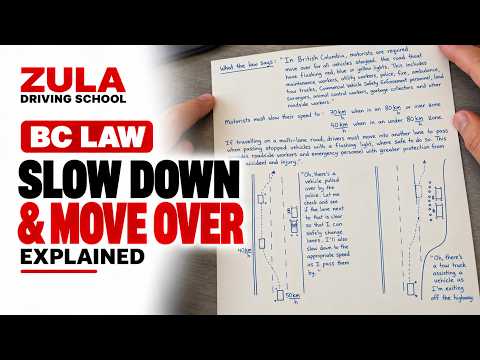
Apply BC’s posted-zone thresholds and move over only when a safe lane change is available.
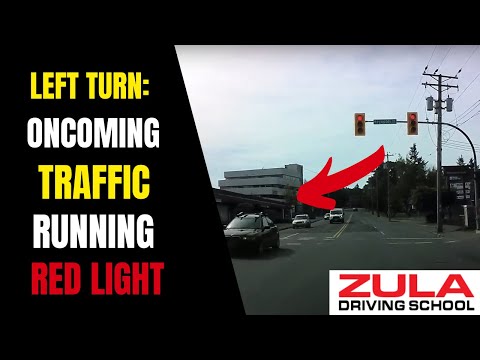
Study actual slowing behaviour and clear a legally entered intersection only when safe.
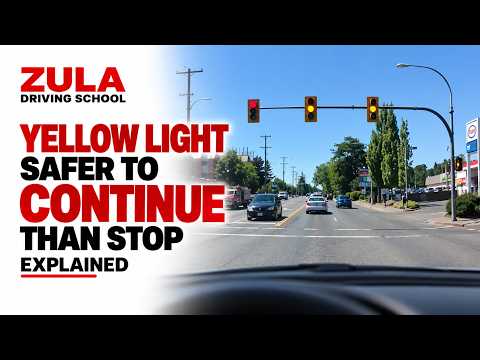
Understand the yellow-light decision shown in this short driving example.

Use patience, passing room and following space instead of rushing into the next stop.
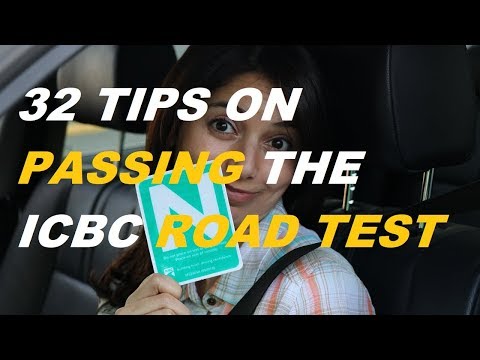
A 32-part video study guide covering observation, speed, parking, intersections, lane changes, and test-day habits.

Where to make your formal stop at stop lines, crosswalks, sidewalks, and road edges, plus how to inch forward for visibility.

Learn how to set up and complete the ICBC reversing-along-the-curb exercise with 360 checks, back-window observation, side-mirror tracking, slow speed, and small corrections.

Review the road-test sequence for a stop-sign right turn: signal early, stop before the crosswalk line, shoulder check, inch forward, scan cross traffic, shoulder check again, and turn.
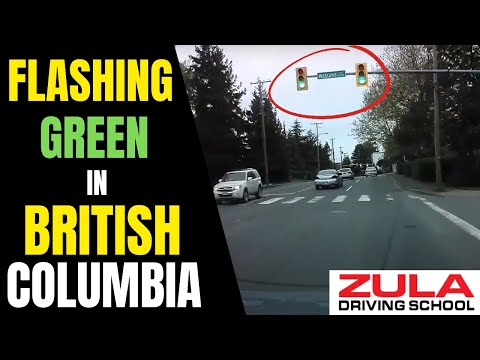
Learn what blinking green lights mean in BC, why they are pedestrian controlled, when to proceed, what solid green warns you about, and how BC differs from other provinces.
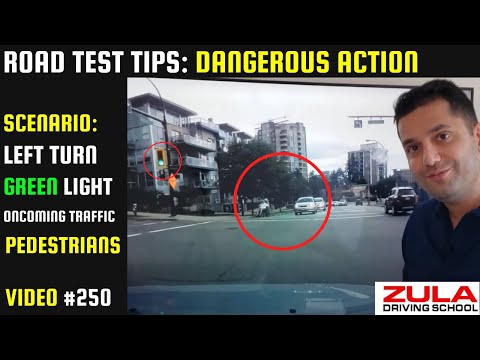
Learn how a left turn on a regular green light can become a dangerous road-test action when the driver fails to yield to oncoming traffic.

Learn how to read the light before a slip lane, anticipate cross traffic, yield correctly, and proceed only when the gap is safe.

Learn how to enter a cul-de-sac with the right position, check for cyclists, look through the left window, and recover safely if you need to reverse.

How to pick up speed after turns, match traffic flow, and prepare lane changes without impeding other road users.

How to stay centred, handle wide single-lane roads, avoid weaving around parked cars, and keep safe space from curbs, traffic, and cyclists.

Learn when to stay behind the crosswalk, when to inch forward for visibility, and how to handle pedestrians during red-light right turns and stop signs.

Learn how to finish turns in the correct lane, avoid wide turns and cut corners, choose useful turn speeds, and manage curb clearance.

Learn when to wait for pedestrians during left and right turns, when you can tuck in behind someone who has cleared your lane, and why shoulder checks expire.
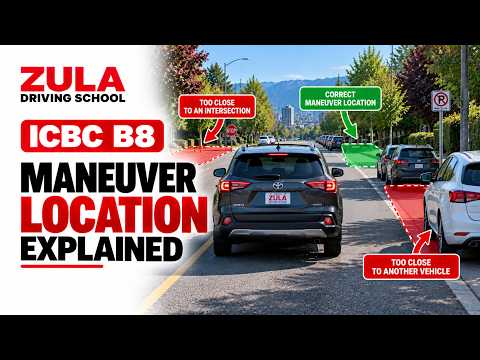
Learn how to choose a safe location and position for turns, especially left-turn waiting positions and skewed intersections.

Learn how to handle unprotected left turns, waiting positions, yellow-light roll-forward judgment, red-light clearing, and blocked sight lines.

Learn how to position correctly in parking lots, avoid shortcutting aisles and left turns, signal intentions, and complete 360 checks before reversing.

Learn how to check mirrors and blind spots before opening the driver door, especially when cyclists or vehicles may be approaching beside you.

Learn when ICBC expects shoulder checks before steering, changing road position, entering turn lanes, pulling over, and turning at intersections.
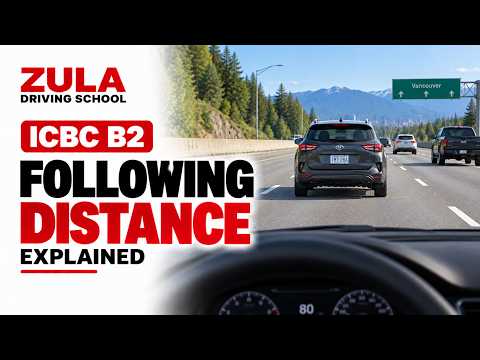
Learn how to manage following distance by reading the gap, traffic ahead, turning vehicles, pedestrian risk, and whether you can brake predictably.

Learn when to apply and release the parking brake, why the order matters on hills, and how to leave a parking spot with signal, gear, steer, clear.

Learn which way to turn your wheels when parking uphill, downhill, beside a curb, or where there is no curb.

Learn how to pull over beside the curb without stopping too far away, hitting the curb, or misreading your side mirror.

Learn how to set up a three-point turn, pull over first, signal and check before each movement, avoid curbs and driveways, and reverse only as much as needed.

Learn a repeatable parallel parking method using early signals, safe setup, 360 checks, steering references, curb judgment, and vehicle-specific adjustments.

Learn reverse stall parking for the ICBC road test, including setup, reference points, 360 checks, slow backing, centring, and safe exits.
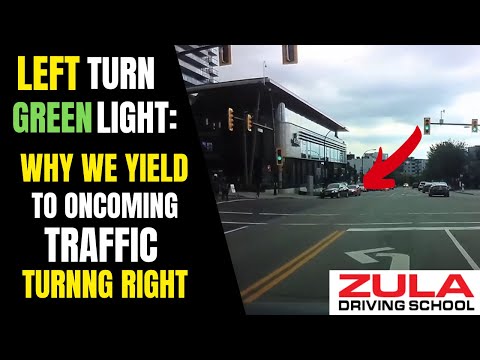
Learn how to handle a green-light left turn after the protected arrow ends, including waiting position, pedestrians, right-turn priority, yellow-light judgment, and clearing safely.

Learn how to handle stop signs with pedestrians, cross traffic, dynamic scanning, safe gaps, and left-turn right-of-way decisions.

Learn how to judge yellow-light and crosswalk decisions using speed, distance, road conditions, rear-view checks, and a committed stop-or-go choice.

Learn the correct waiting position for left turns onto one-way streets, including yellow-light clearing, oncoming traffic, first-lane placement, and crosswalk caution.

Learn when to cover the brake for potential hazards, blocked sight lines, stop signs, yield signs, traffic circles, and controlled creeping.

Learn how to scan for crosswalk clues, advanced green arrows, lane-use signs, turn-lane starts, lane endings, and No Right Turn on Red signs.

Learn how to scan the road you are turning into, recognize wide single-lane roads, avoid drifting toward the curb, and compare that with true two-lane turns.

Learn when to check mirrors, how often to glance behind, how to judge side-mirror gaps, and why mirror checks must pair with shoulder checks.

Learn how to complete a 360 check, look out the rear window while backing, and use forward, mirror, or backup-camera glances only when needed.

Learn how to name five hazards on the road test, including oncoming traffic, driveways, pedestrians, cyclists, intersections, no sidewalks, blocked views, glare, and road conditions.
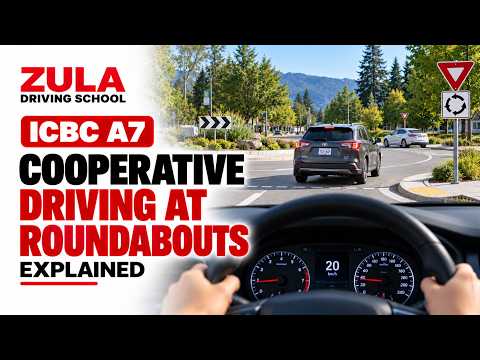
Learn when to let one waiting driver into congested roundabout or through-road traffic, and when stopping suddenly would be confusing.

Learn how to plan lane changes around stopped buses, yield to signalling buses when safe, stay predictable, and decide when not to pass.

Learn how to leave space for merging traffic, use zipper-merge judgment, read signals and relative speed, and avoid closing gaps on the highway.

Learn the lane-change sequence: signal, rear-view mirror, side mirror, shoulder check, maintain speed, judge the mirror gap, and move predictably.
Learn how to stay centred in your lane by looking farther ahead, using side mirrors, reading the windshield corner, and avoiding steering posture habits that pull the car off line.
Book a driving lesson with Zula Driving School and turn the video concepts into real road-test habits.